If your business still has an analogue phone line, you have until 31 January 2027 to move off it. After that date the old network stops carrying calls, and anything plugged into it stops working with it.
That includes more than the phones on your desks. It is worth knowing what you have before the last few months get busy.
The short answer
The UK’s analogue phone network is being switched off on 31 January 2027. Calls move onto your internet connection instead.
Your desk phones are the easy part. The harder part is everything else that quietly uses a phone line: lifts, alarms, door entry, card machines and care alarms.
Make a list of every line you pay for, check what each one is actually doing, then move the phones and the equipment separately. Most businesses can keep their existing numbers.
What the switch-off actually is
The Public Switched Telephone Network, or PSTN, is the copper phone network the UK has used for over a century. It carries analogue phone lines, ISDN lines and a lot of equipment nobody thinks about until it stops.
Openreach is retiring it. Calls move to Voice over Internet Protocol, usually shortened to VoIP, which carries them over your internet connection instead of a dedicated copper pair.
You have probably already felt part of this. Openreach stopped selling new analogue and ISDN lines some time ago, so if you have tried to add a line recently you were offered a digital one.
Can you actually get the replacement?
Digital calls run over your broadband, so the connection matters more than it used to. The good news is that availability is no longer the problem it was.
The two coverage figures come from Ofcom’s Connected Nations reporting. They count premises rather than businesses specifically, so check your own postcode rather than assuming. If your building is one of the harder ones, that is worth finding out now and not in December.
What stops working, and it is not just phones
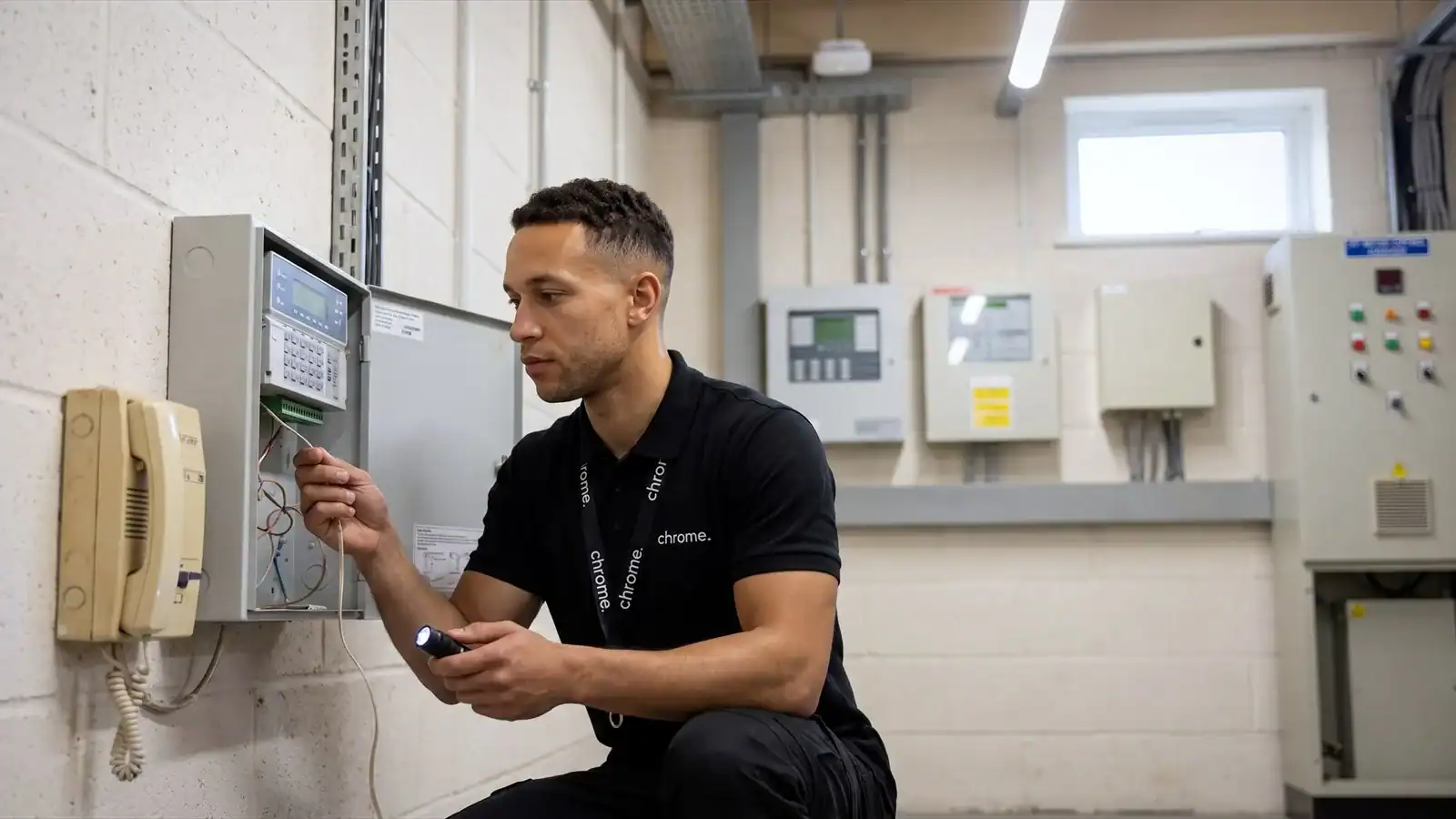
This is the part most businesses miss. Anything that quietly dials out over a phone line is affected.
- Intruder and fire alarms that call a monitoring centre
- Lift emergency phones
- Door entry systems
- Card payment terminals on a dial-up fallback
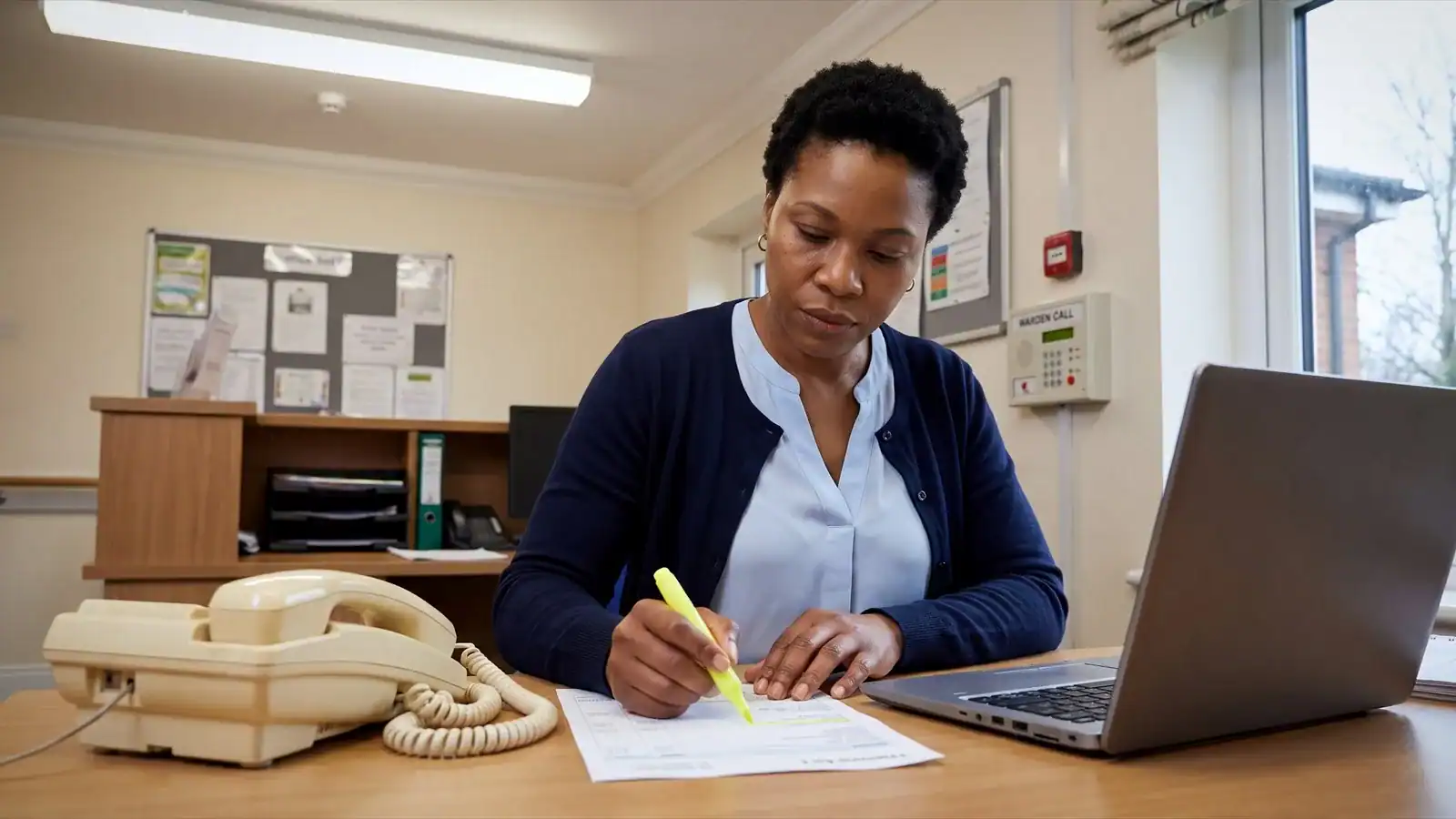
- Care alarms and warden call systems
- Fax lines, gate intercoms and some older CCTV links
A lift phone that cannot call out is a safety problem, not an IT problem. If you have a lift, an alarm or anything with a maintenance contract, ask that supplier now whether their kit is analogue. They will know, and it is a short conversation.
What your business should do next
1. Find out what you actually have
Start with your bills. Analogue lines often sit on them for years after anyone remembers why. Look for single lines, ISDN2 or ISDN30, and lines at sites you rarely visit.
Then walk the building. The lift, the alarm panel, the back gate, the stock room card machine.
2. Check your internet connection
If your office runs on older copper broadband, look at what is available before you move the phones. Moving voice onto a connection that was already struggling just moves the complaint.
Our guide to business internet covers the options if you are not sure what you are on.
3. Move the phones
For most businesses this is the straightforward part. Numbers can usually be kept, including long-standing local numbers customers have had for years.
A cloud phone system also does things the old lines could not. Calls can follow people between the office and wherever they are working that day. You can see what is being answered and what is being missed.
4. Deal with the other devices
Alarms, lifts and door entry usually need their own answer. Some can move to a digital line, some need a mobile or IP upgrade from the company that maintains them.
Leave this one late and you will be waiting behind everyone else who left it late.
Analogue lines against a cloud phone system
Where the two differ in day to day use.
| Feature | Analogue or ISDN line | Cloud phone system |
|---|---|---|
| What carries the call | A copper pair to the exchange | Your internet connection |
| Available after 31 Jan 2027 | No | Yes |
| Adding a line | An engineer visit and a wait | Usually the same day |
| Moving desk or site | New install, often a new number | Take the handset, or sign in elsewhere |
| Working away from the office | Calls forwarded to a mobile | Same extension anywhere |
| Call reporting | Little to none | Answered, missed, wait times |
| In a power cut | A basic corded phone may still work | Needs power and internet, so calls forward to mobiles |
| Ongoing cost | Line rental per line | Per user, usually with calls included |
The power cut row is the one worth being straight about. An old analogue phone drew its power from the line, so it worked when the lights went out. A digital system does not. In practice most businesses handle this by forwarding to mobiles automatically, but if you run something where losing phones for an hour is a real problem, say so early.
How long it takes
A single-site business with a handful of extensions can move in a few weeks. Most of that is lead time on the connection, not the phone system.
Multiple sites, or a building with alarms and lifts on analogue lines, takes longer because other suppliers are involved. Their diaries fill up too.
Between now and January 2027 there is enough time to do this calmly. There is not enough time to do it three times.
How Chrome can help
We can go through your bills and your building with you and list what is still analogue, including the things that are not phones. Then you get a plan with what moves, what it costs and when.
We look after the connection and the phone system together, so there is one team to call if something is not right on the day. Our PSTN switch-off page sets out how we handle the move.
A sensible place to start
Pull your last phone bill and count the lines. Then ask what each one does.
Most businesses find at least one they cannot explain, and at least one attached to something that matters more than a phone. Once that list exists, the rest is scheduling.
Common questions
When is the PSTN switch-off?
31 January 2027 is the date the UK’s analogue and ISDN phone lines stop carrying calls. Some exchanges and lines are being moved earlier, so your own date may come sooner. If you have a letter from your provider naming a date, that one applies to you.
Can I keep my phone number?
In almost every case, yes. Numbers move to the new service by porting, including local numbers your customers have had for years. Ask for the port to be confirmed in writing before the old line is ceased. A number that is cut off before it ports can be hard to get back.
What happens to my alarm, lift or door entry if I do nothing?
When the line stops, so does anything that dials out over it. An intruder alarm loses its link to the monitoring centre and a lift phone cannot call for help. Some equipment works on a digital line with an adapter. A lot of it needs a mobile or IP upgrade from the company that maintains it, so ask them early.
Does the switch-off affect my broadband too?
If your broadband runs over the same copper line, that product is being withdrawn as well. The replacements are SoGEA, which is the same copper without the phone service, or full fibre. Your provider should offer a like-for-like move. Check the speed you are being offered rather than assuming it matches.
What do I need for a cloud phone system to work well?
A decent internet connection and a router that puts voice traffic first. A single office with a handful of users is fine on good business broadband. Larger sites, or businesses where the phone is the business, often go for a leased line or a separate connection just for voice. Handsets can be desk phones, an app on a laptop or an app on a mobile.
What happens to calls in a power cut?
A digital phone needs power and internet, so it stops. Most businesses set calls to forward to mobiles automatically when the system cannot be reached, which takes minutes to set up. If you have a lift phone or a care alarm, ask its supplier what battery backup it has, because that is a safety question rather than a phone question.
How much does it cost to move?
It depends on how many users you have and what is plugged into your lines. Cloud phone systems are priced per user per month, usually with calls included, so the line rental you pay today goes away. The costs people forget to budget for are the upgrades to alarms and lift phones, so get those quoted at the same time.
Related reading
Talk it through with someone
If you’d like a hand with the list, we can go through your bills and your building with you and tell you what is still analogue. Get in touch and we’ll arrange a chat.
Sources and notes
The 31 January 2027 date is published by Openreach, which is retiring the analogue network. Coverage figures are from Ofcom’s Connected Nations Spring 2026 update (gigabit-capable, January 2026) and the Connected Nations 2025 report (full fibre, July 2025). Both count premises, not businesses.
We’re describing how the switch-off generally works. Your own dates depend on your provider and your exchange, and whether a piece of equipment survives the move depends on who made it. If something safety-related runs on a phone line, check with the company that maintains it before you change anything.