
Phones and IT support for dental practices for your practice
Help your reception team handle busy periods, follow up missed calls, and keep the software behind every surgery running.

Why use Chrome for dental practices?
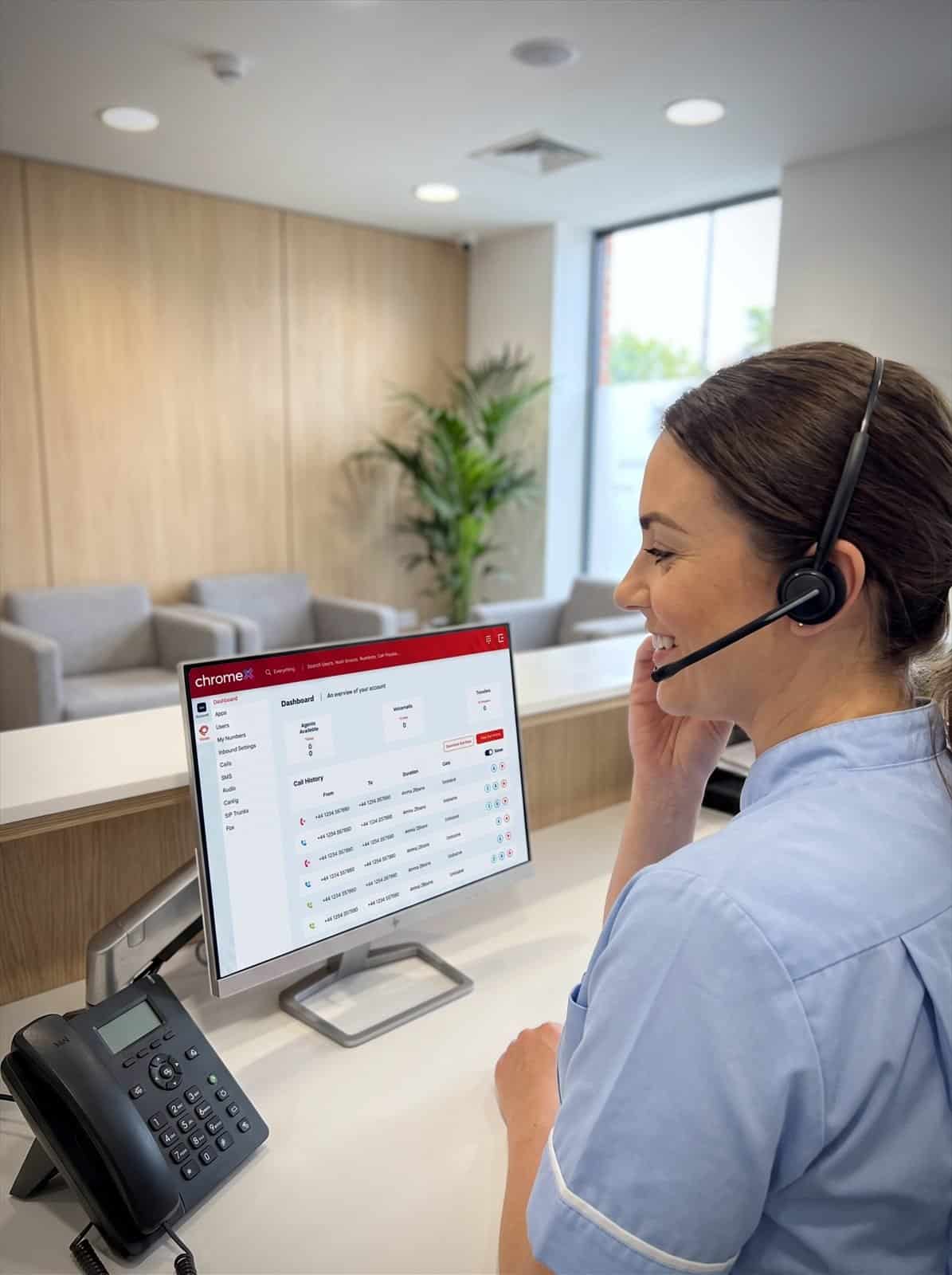
ChromeX gives dental practices more control over recalls, reminders, call routes and voicemail.
We’ll learn how your appointment book and reception actually run, set everything up and train your team. We’ll stay available when a hygienist list changes or you open another surgery.
Manage busy periods
Hold callers in a queue during the morning rush instead of losing them to an engaged tone.
Follow up missed calls
See which calls went unanswered and give your team the information needed to respond.
Connect calls with patient information
Supported connections can help reception teams recognise callers and find useful details more quickly.
Take the pressure off reception
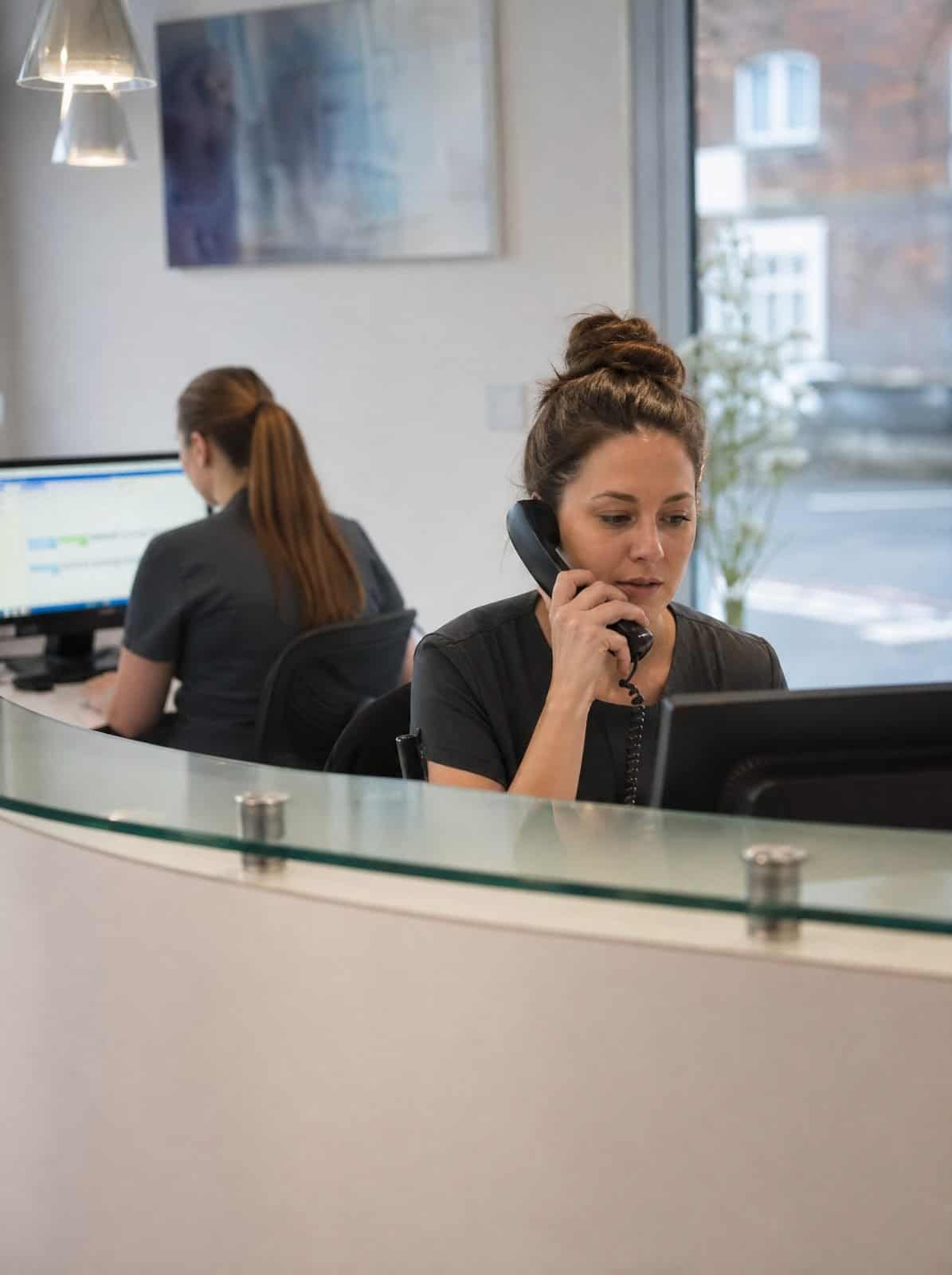
Calls rarely arrive one at a time.
Patients may be booking appointments, changing a time, asking about treatment or trying to reach the practice with an urgent concern.
At the same time, reception staff may be welcoming patients, speaking to clinicians and completing work at the desk.
ChromeX can help you plan what happens when several people call together.
Your setup may include call queues, call menus, hunt groups, agreed overflow routes, opening-hours rules, voicemail, out-of-hours messages and calls shared between practice locations.
You’ll get a review of how calls are handled today before anything changes.
The aim is to make the experience clearer for patients and more manageable for your team.
IT support for dental practices
A practice runs on more than its phone line. Practice management software, imaging and the network in every surgery all have to work between appointments.
Chrome looks after that technology, so your team can stay with patients.
Systems that stay available
Your practice software and surgery computers are needed between every appointment. We’ll watch the network and the devices behind them, and sort faults before a list slips.
Imaging and practice software
X-ray imaging, practice management and your phones all lean on the same network. We’ll keep them working alongside each other, in every surgery you run.
Patient data and inspection evidence
Patient records carry real obligations. We’ll handle backups, staff security training and the access controls inspectors ask about, and keep records you can show them.
Help patients reach the right person
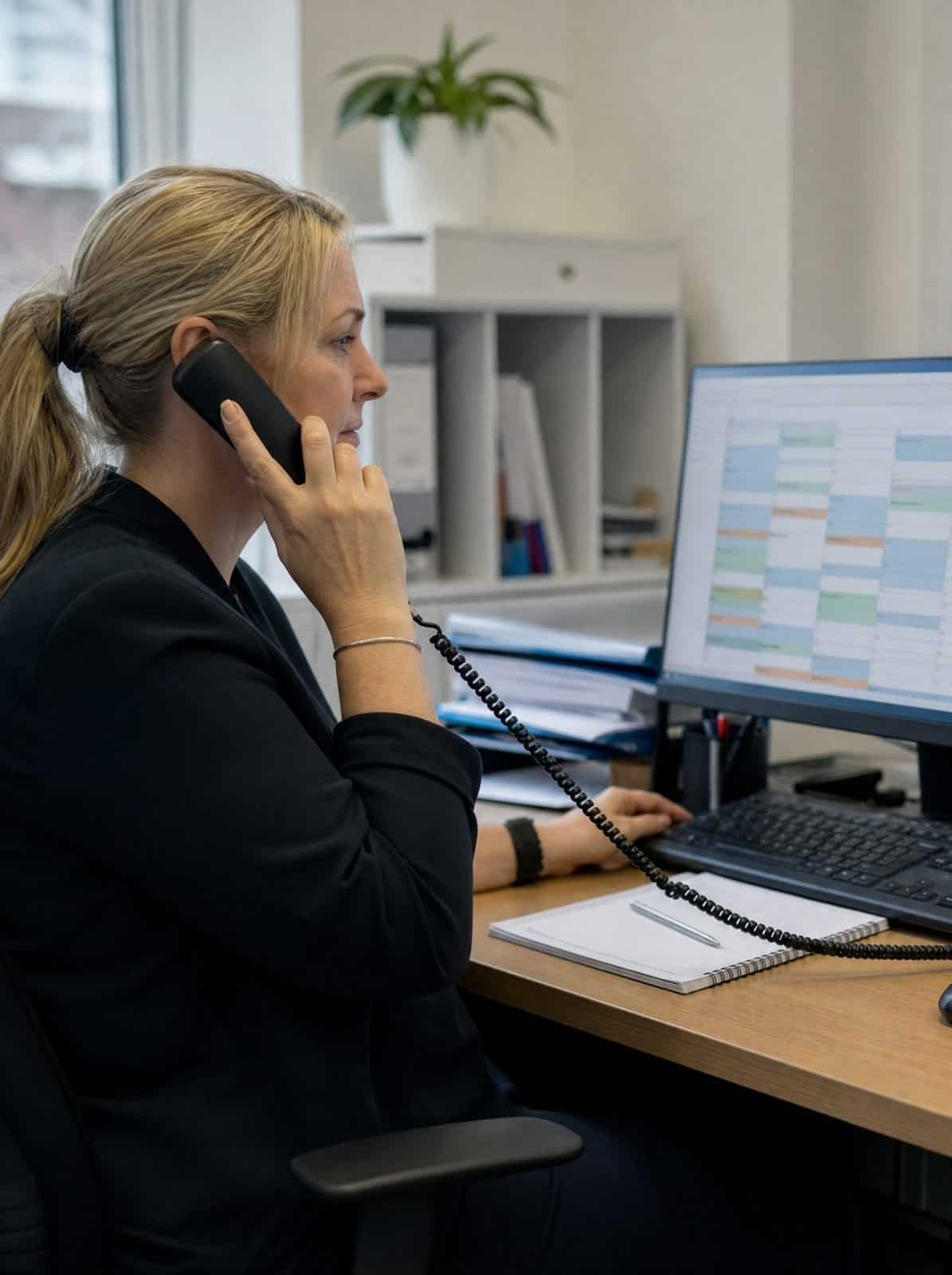
A call menu can help patients reach the correct team without several transfers.
Keep the choices short and use language patients will understand.
A simple menu might direct callers to reception and appointments, treatment coordinators, accounts, a particular practice location or another agreed team.
Calls can also follow different routes depending on the time or day.
During opening hours, they may go to reception or a shared queue. When the practice is closed, callers can hear a clear message explaining when it will reopen and what they should do next.
Any advice about urgent or emergency dental care should be agreed by the practice and checked regularly.
Keep the menu short
A few clear options rather than a long list.
Use patient language
Words people recognise, not internal department names.
Reception and appointments
The routes most callers actually need.
More than one location
Send callers to the right practice first time.
Follow up missed patient calls
A missed call could be a new patient, someone changing an appointment or an existing patient who needs help.
Without reporting, the practice may not know how many calls went unanswered or whether they were returned.
ChromeX reports can help authorised staff review information such as unanswered calls, the time and date, the number or practice contacted, queue waiting times, call volumes and activity by staff member, group or department.
Available information will depend on the reporting setup.
A clear internal process is still important. Someone should know when to check missed calls, who returns them and how the follow-up is recorded.
Chrome can help you choose reports that support that process.
Understand your busiest times
Call reports can show when the practice receives the most calls and when patients wait longest.
This can help practice managers ask practical questions: does reception need more cover at certain times, are calls reaching the correct team, are the opening hours set correctly, is the call menu helping patients, could another location help during busy periods, and are voicemail messages being returned?
The answer will not always be more staff.
A change to call routes, queues or opening-hours settings may help.
Connect ChromeX with your dental software
Your dental practice management software may already hold the information reception staff need during a call.
ChromeX can work with supported customer and patient management systems.
Depending on the software and available connection, staff may be able to see available caller information, open the matching patient record, click a telephone number to begin a call, add call information to a record, and access contact details through both systems.
Functions differ between platforms.
We’ll check the software your practice uses, whether that is dental patient management software from a well-known provider or something built in-house, and explain what is supported before recommending anything.
Keep patients informed
Clear information can reduce uncertainty for patients and repeated work for reception.
Business text messages may help with appointment reminders, changes to opening hours, practice closures, service updates and other information agreed by the practice.
Your practice remains responsible for deciding what is suitable to send and how patient information is used.
Recorded greetings and on-hold messages can also share opening hours, other ways to contact the practice, short answers to common questions, information patients may need before an appointment, and details about relevant services.
Messages should be useful and easy to follow. They should not feel like a long sales message.
Give reception more ways to answer
Reception staff may need to answer calls while completing other work.
ChromeX can be used through different devices and applications, including desk phones for staff who handle calls from a regular workstation, cordless phones for people who need to move around the practice while remaining reachable, wireless headsets that can help staff use a computer or make notes while speaking with a patient, desktop applications so staff can make calls, check voicemail and view recent call activity through their computer, and mobile applications so authorised staff can answer business calls away from their usual desk.
Coverage should be checked before cordless equipment is chosen.
The practice number can be shown instead of a staff member’s personal mobile number.
You’ll get equipment recommended around each role rather than everyone getting the same setup.
Bring several practice locations together
A dental group should not need to manage every location as a separate phone system.
ChromeX can bring users, numbers and call routes together across several practices.
Depending on the setup, teams may be able to transfer calls between locations, share busy queues, use the same internal extension plan, manage opening hours through one portal, view reporting across chosen practices and keep greetings and menus consistent.
One location may also be able to help answer calls when another becomes busy.
We’ll agree how this should work before setting up shared queues or overflow routes.
Review important conversations
Call recording may help when there is a clear reason to listen again.
A practice might use recordings to review a complaint, check what was discussed, support staff training, understand a difficult or abusive call, or review whether an agreed process was followed.
Call recording brings data protection and employment responsibilities.
Your practice should decide why calls are recorded, who can listen and how long recordings should be kept.
Chrome can explain the technical options. Legal or compliance advice may also be needed, alongside anything expected under GDC standards or CQC requirements that apply to your practice.
Plan for a connection problem
A cloud phone system uses an internet connection.
Before the service begins, we’ll agree what should happen if it becomes unavailable during surgery hours.
Options may include sending calls to a mobile at reception, handling emergency and out-of-hours numbers separately, using the mobile application over mobile data, or adding a suitable backup connection.
The right choice usually depends on how patients reach you when they are in pain.
Chrome can support the phone system and connectivity through one team.
One team for more of your practice technology
A phone system depends on the technology around it.
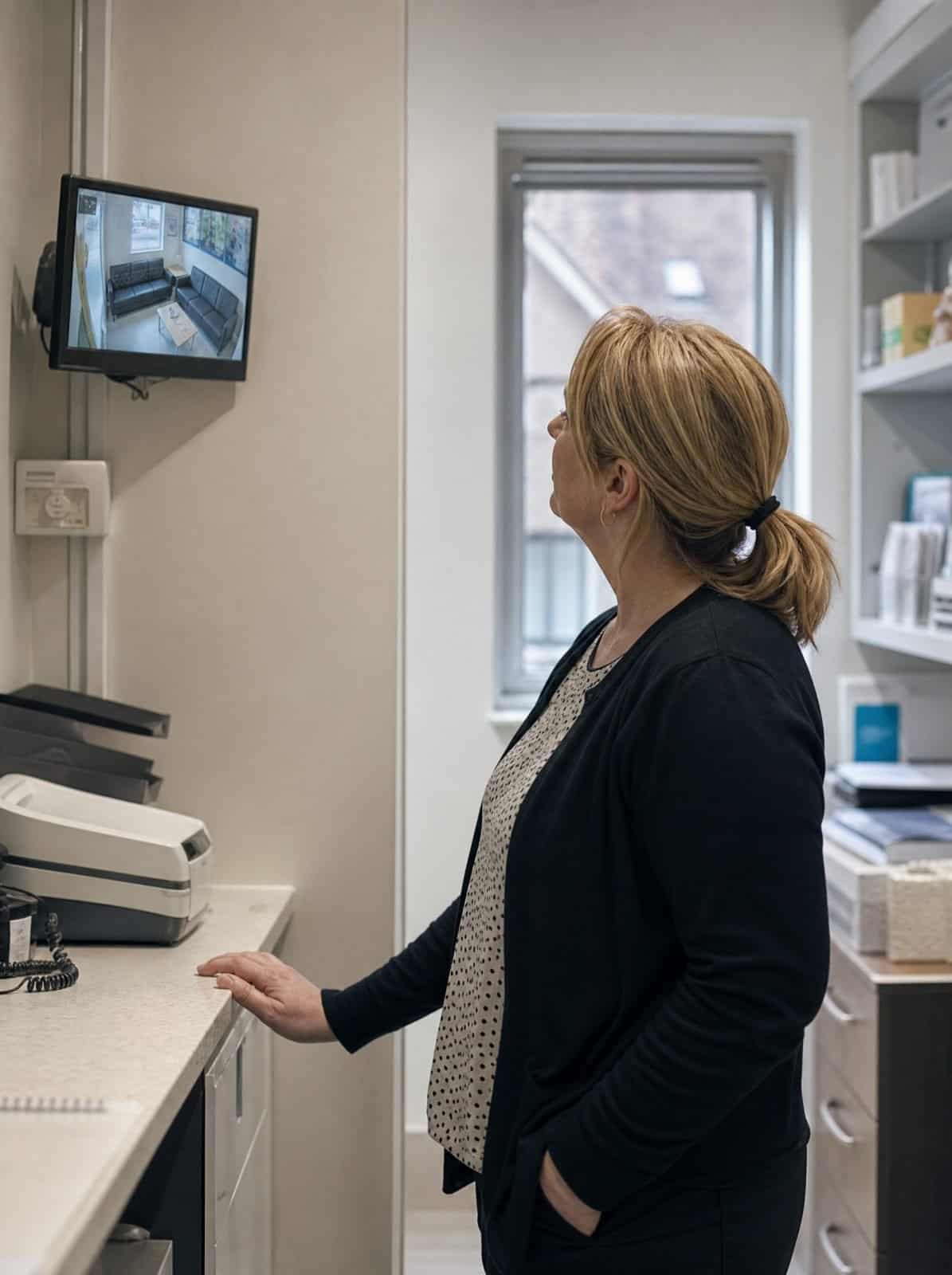
Chrome can also support business mobiles, internet connectivity, managed IT, Microsoft 365, cyber security, and CCTV and access control.
This gives your practice fewer suppliers to manage and one team to call when responsibilities overlap.
Related industries: doctors’ surgeries and healthcare providers. You can also browse every sector we support.
Connectivity and Wi-Fi
Business internet and the network your site runs on.
Business mobiles
Handsets and tariffs managed alongside your phone system.
Managed IT and Microsoft 365
Day-to-day support for devices, accounts and licences.
Cyber security and CCTV
Protection for your data and your premises.
Why dental practices choose Chrome
What working with Chrome looks like in practice.
Clear advice
We explain the options in plain English before you commit.
A setup built around your appointment book
We look at recalls, cancellations, emergency calls and quiet periods before recommending anything.
Training for your team
We show your team how to use the tools that matter to their roles.
Support after installation
Speak to people who understand your setup when you need help or a change made.
We’ll talk through the options and agree what suits you before anything changes.
How Chrome helps
A practice phone system should suit how patients actually get in touch. This is how we work through it with you.
We understand your practice
We recommend a sensible setup
We plan the move
We train and support your team
Support matters after installation
Planning, training and day-to-day support all affect how confidently a practice can use its phone system.
Read what customers say about Chrome’s communication, support and the people behind the service in our reviews.
Dental phone systems FAQs
Common questions about phone systems for dental practices: call menus, busy periods and handling more than one location.
Can we keep our existing practice number?
In most cases, existing business numbers can be transferred. We’ll check the numbers before the project begins and explain any restrictions or timescales.
Can ChromeX work with our dental software?
ChromeX can connect with supported customer and patient management systems, including dental practice management software your team already uses. The functions differ between platforms. We’ll check your software and explain what is available.
Can several staff answer calls at once?
A cloud phone system can support several incoming and outgoing calls, subject to the licences, connectivity and setup. We’ll review your users and expected call volumes before recommending a package.
Can several practice locations use the same system?
Yes. If you run more than one practice, ChromeX can treat them as a single system, so reception at a quieter surgery can answer for a busier one while patients keep using the number they already know.
Can we see which calls were missed?
ChromeX reporting can show unanswered calls and other call information. The available details will depend on your reporting package.
What happens if our internet connection goes down?
The available options depend on your phone and connectivity setup. Calls may be sent to another number or location. A backup connection may also be suitable.
Is your current phone system helping your practice?
New patient enquiries may be going to voicemail. Reception may be choosing between the phone and the patient at the desk. Short-notice cancellations may be going unfilled.
Chrome can review your phone system, call routes and reporting.
You’ll receive a clear recommendation based on how your practice and appointment book actually run.