
Phones and IT support for logistics across your logistics operation
A delivery changes, a customer wants an update and a driver needs to reach the depot.
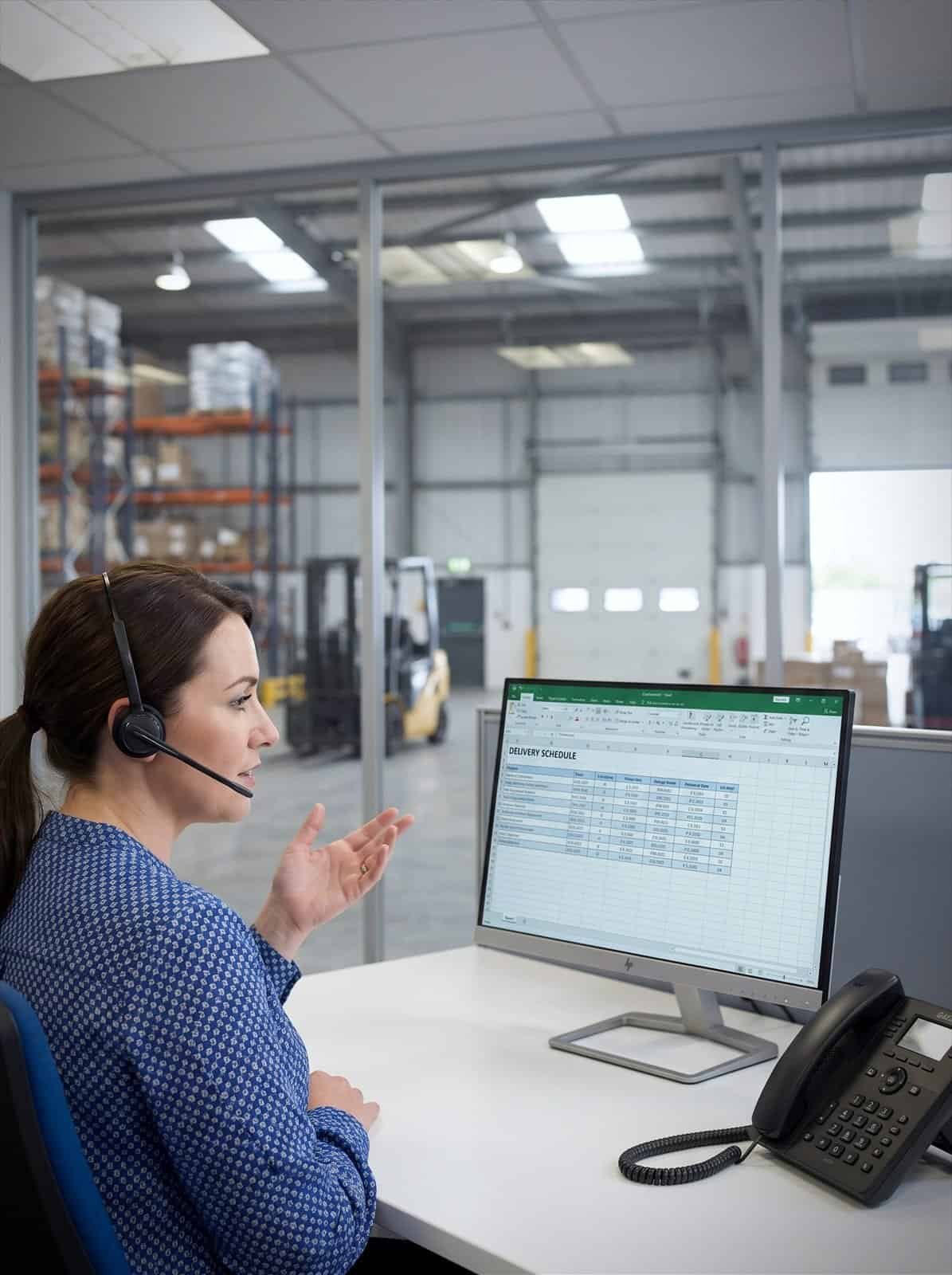

Why use Chrome for logistics?
One missed call can hold up the next step.
ChromeX helps office, warehouse, depot and mobile teams make and receive business calls through desk phones, mobiles, computers and Microsoft Teams.
Chrome can also support your business mobiles and connectivity. Your team has one place to start when something needs sorting.
Direct calls to the right team
Send customers, drivers and suppliers to dispatch, customer service, accounts or another agreed team.
Answer in more places
Your team can handle business calls from the office, depot, home or on the move.
Keep track of important conversations
Call history, recording and CRM connections can help authorised staff check what was discussed.
Manage fewer suppliers
Speak to Chrome about phones, mobiles, connectivity, IT and cyber security through one helpful team.
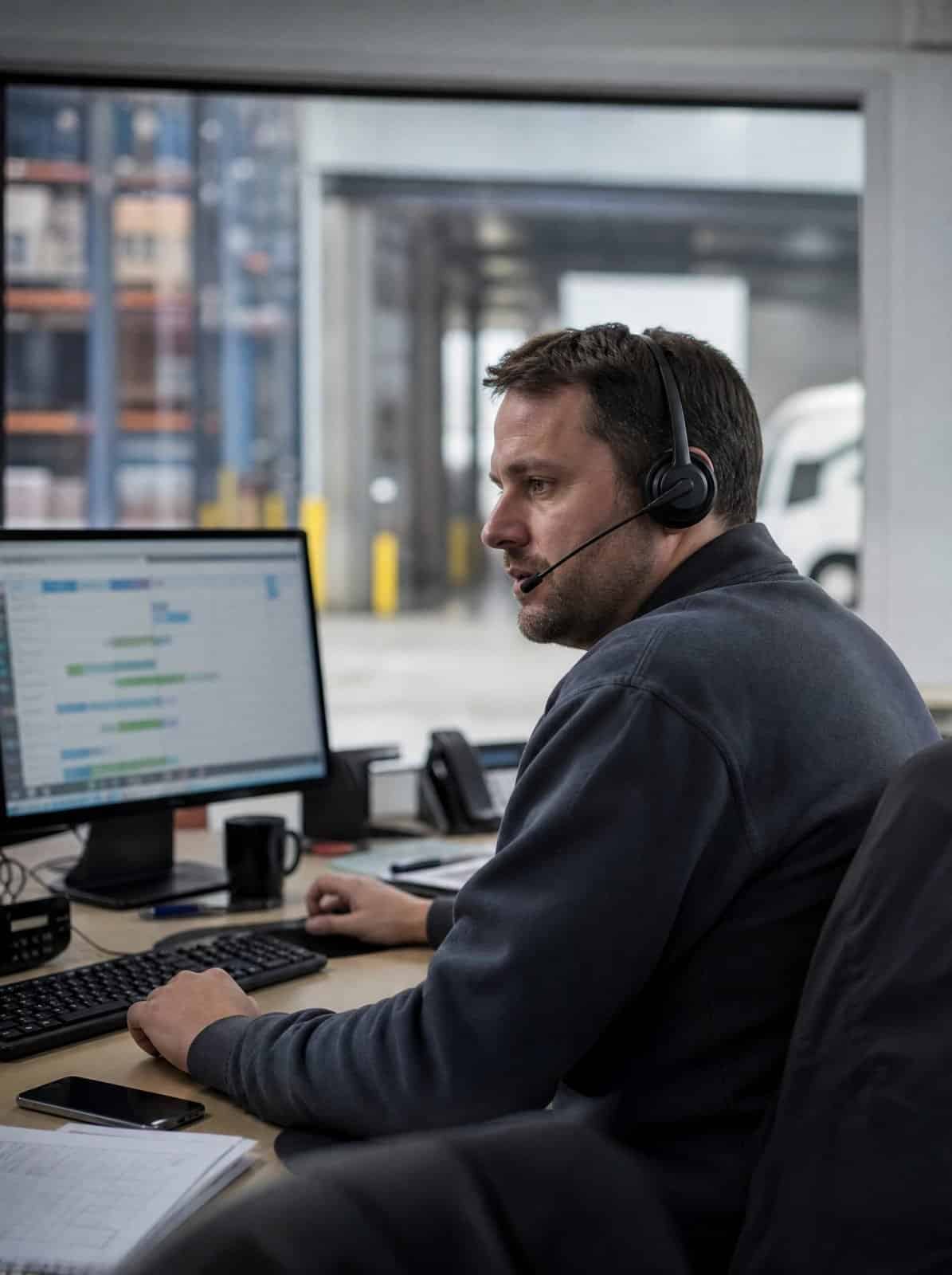
Keep calls moving from booking to delivery
Your phone system needs to support each stage of the job.
Calls may cover new bookings, collection details, delivery changes, access instructions, supplier queries and customer updates.
ChromeX can help your team answer through desk phones, mobiles, computers or Microsoft Teams, route calls by department, depot, number or opening hours, hold callers in a queue when people are busy, send unanswered calls to another team, location or suitable device, and review missed calls and call activity.
Voicemail messages can also be sent to an agreed email address. This makes them easier to pick up when someone is away from their desk.
We’ll look at how calls move through your business before recommending the setup.
Call routes can also be updated when opening hours, teams or locations change.
Features will depend on the agreed ChromeX licence and connected systems.
IT support for logistics and transport
A depot runs on more than its phone line. Warehouse systems, handheld scanners and the network across the yard all have to keep going while vehicles are moving.
Chrome looks after that technology, so your team can keep loads moving.
Systems that stay available
Warehouse and transport systems are needed on every shift. We’ll watch the network and the devices behind them, and sort faults before a load is held up.
Coverage across depot and yard
Scanners and tablets stop working where the signal does. We’ll design coverage that reaches the racking, the loading bays and the yard.
Security and business continuity
A stopped depot costs more than a lost file. We’ll handle backups, staff security training and access controls, and agree how you’d keep going if something failed.

Give drivers and mobile teams a business number
Drivers, warehouse managers and operations teams may spend much of the day away from a desk.
The ChromeX mobile application allows agreed users to make and receive calls through the company phone system.
They can present a business number, check voicemail and transfer a caller to someone in another location.
This can reduce the need to share personal numbers. It can also help customers recognise who is calling.
Colleagues using the mobile application, desk phones and Microsoft Teams can remain part of the same setup.
Chrome can also help organise your business mobile account around different roles.
A driver may need calls, data and access to delivery applications. A manager may need email, Microsoft Teams and more data while travelling between locations.
We’ll review likely use before recommending devices and allowances. We can also help when someone joins, leaves or needs a replacement phone.
Mobile device management may be used to apply company settings and remove business access from an enrolled device.
We’ll explain the available controls and any limits before the service starts.
Calls on the move
Make and take company calls from a mobile.
Present a business number
Personal numbers stay private.
Voicemail anywhere
Check messages without returning to a desk.
Transfer between sites
Pass a caller to someone in another location.
See what happened before, during and after a call
A telephone conversation may include delivery instructions, access information or an agreed change.
ChromeX can help your team keep a clearer record of those conversations.
Caller information and CRM connections
ChromeX connects with several CRM platforms.
Depending on the system, staff may be able to see who is calling, click a number to start a call and add call information to the customer record.
This information may include call times, notes, voicemail details and access to recordings.
ChromeX can also connect with other web-based systems in some circumstances. We’ll confirm what a connection can do before recommending it.
Call recording
Call recording can help authorised staff check delivery details, review a complaint or use an example during training.
Your business remains responsible for deciding which calls should be recorded, who can access them and how long they should be kept.
Reporting and wallboards
ChromeX reporting can show call volumes, missed calls, abandoned calls, queue times and activity across agreed teams or users.
This can help managers see when demand is highest, where customers are waiting and whether a call route needs attention.
Live wallboards can show selected information to supervisors or customer service teams.
The aim is not to give managers another report to file away. It is to make useful information easier to see and act on.
Connectivity for depots, offices and warehouses
Your phones and cloud applications depend on the connection underneath them.
Chrome can review the connectivity available at your offices, depots and warehouses.
The right service will depend on the site, number of users and systems that need access, whether that means everyday business applications or a dedicated warehouse management system running alongside them.
Options may include business broadband, leased connections, mobile data services, backup connectivity and Wi-Fi across agreed working areas.
A warehouse may need Wi-Fi across a larger area. A smaller depot may need a straightforward connection for phones, computers and cloud applications.
Where backup connectivity is included, we’ll explain how it works and which services it is expected to support.
Handsets for offices and working areas
Not everyone in a logistics business works at a desk.
Chrome can help you choose between desk phones, headsets, cordless handsets and suitable mobile devices.
Cordless phones may suit staff moving around warehouses, loading areas or larger depots.
Tougher handsets may be more appropriate where equipment is likely to be dropped or used in demanding surroundings.
Some devices may also include safety alert functions.
We’ll check the working area, required coverage and device specifications before recommending any equipment.
One Chrome team for your wider technology
A phone problem may turn out to be a broadband issue.
A mobile problem may involve a device setting or user account. A new depot may need phones, internet access, Wi-Fi and IT support at the same time.
Chrome can help with business phone systems and mobiles, connectivity and workplace Wi-Fi, managed IT and cyber security, CCTV and access control, and workplace technology.
Bringing these services together can reduce the number of companies your team needs to contact.
It also gives you a clearer place to start when the cause of a problem is not obvious.
Related industries: manufacturing, retail and construction. You can also browse every sector we support.
How we get your teams connected
A logistics phone system has to reach people who are rarely at a desk. This is how we work through it with you.
Understand your operation
Review the current setup
Plan and prepare the change
Train and support your team
Logistics phone systems FAQs
Common questions we hear from logistics businesses about phone systems.
Can drivers use the company number on their mobiles?
Yes. Agreed users can make and receive calls through the ChromeX mobile application while presenting a business number. Your usual driving, safety and mobile phone policies still apply.
Can ChromeX support several depots and offices?
Yes. Users from several locations can be part of one ChromeX phone system. Numbers and call routes can be organised around different teams, depots or working hours.
Can ChromeX connect with our CRM or logistics software?
ChromeX connects with several CRM platforms. Connections with other web-based systems may also be possible. We’ll check the platform and required functions before confirming the available options.
Can logistics calls be recorded?
Call recording is available through selected ChromeX licences. Your organisation should have clear rules covering why calls are recorded, who can access them and how long they are kept.
What happens if our main internet connection stops working?
Backup connectivity may be available, depending on the location and chosen service. We’ll explain how the backup works and which parts of your setup it is intended to support.
Keep customer calls moving across your operation
Customers may be waiting too long for updates. Drivers may be using personal numbers. Managers may have little visibility of missed calls.
We can review your phone system, mobiles and connectivity, then explain the available options in plain English.
You’ll receive a practical recommendation based on the way your logistics operation works.